
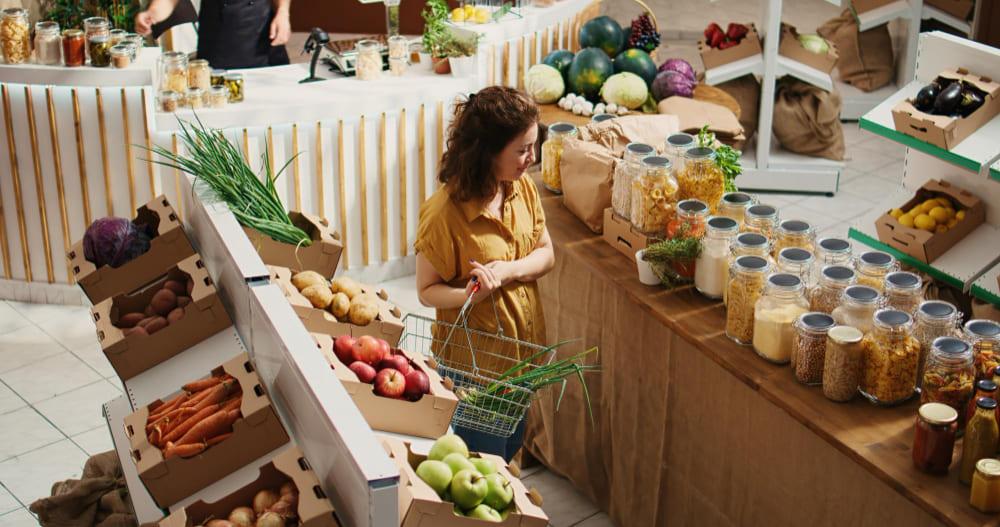
🛒 Smart Choices, Less Waste: Your Guide to Sustainable Shopping ♻️
The global challenge of food waste profoundly impacts our environment and economy. Annually, one-third of all food produced is lost or wasted. This translates into significant greenhouse gas emissions, inefficient resource use, and financial losses. Understanding this scale is the first crucial step towards effective solutions.
While food waste occurs throughout the supply chain, a considerable portion originates in our homes. Consumer behavior, driven by impulse purchases, poor planning, and lack of awareness about storage, plays a pivotal role. Households are major contributors, making personal habits critical for waste reduction. It's not just what we buy, but how we manage it.
Over decades, recognition of food waste grew, leading to various initiatives. Initially, focus was on industrial and retail improvements. Now, the spotlight shifts to empowering consumers. Educational campaigns and improved labeling emphasize individual responsibility. Small, conscious changes lead to positive impacts on the environment and our wallets.
This evolving understanding highlights sustainable shopping as a powerful tool against food waste. It’s more than just buying organic; it’s about informed decisions from planning to storage. By adopting a mindful approach, we significantly reduce household waste, save money, and contribute to a healthier planet. Let's explore how to become a more sustainable shopper.
🔍 Key Insights from Research on Food Waste
- Many consumers significantly underestimate their home food waste. This disconnect often stems from a lack of tracking, leading to a minimal perceived contribution.
- Poor meal planning and impulse buying are primary drivers of excess food purchases, causing perishable items to expire prematurely.
- Misunderstanding "best by" vs. "use by" dates frequently causes premature discarding of perfectly edible food, mistaking quality indicators for safety deadlines.
💡 Deeper Dive: Analyzing Our Habits and Solutions
Underestimating personal food waste creates a psychological barrier. Individuals are less likely to adopt waste-reduction if they don't perceive a problem. Simple tracking methods, like a "waste diary," can help visualize impact, fostering a proactive approach to home sustainability.
Effective meal planning is a key strategy. Planning meals, checking pantry contents, and creating a precise shopping list prevents unnecessary purchases. This disciplined approach minimizes waste and leads to substantial grocery savings, making it a financially smart and responsible habit.
Impulse buying, often fueled by attractive offers, contributes to waste. Purchasing items not on your list or unlikely to be consumed leads to spoilage. Shopping on a full stomach and adhering to a pre-planned list, perhaps using online ordering from Luluhypermarket, mitigates these spontaneous decisions.
Confusion around food date labels is global. "Best by" indicates peak quality, not safety; food is often safe past this date. "Use by" or "expiration" dates are safety indicators. Educating consumers on these distinctions is vital, empowering them to prevent premature discarding of good food.
Beyond smart shopping, proper food storage is paramount. Many perishables have specific storage needs to extend freshness. Storing apples separately or keeping herbs in water significantly prolongs usability. Luluhypermarket offers great tips on this. Learning these simple methods drastically reduces spoilage, ensuring more food is consumed.
✅ Taking Action: Practical Steps for a Waste-Free Kitchen
- Empower Yourself with Knowledge: Understand your waste patterns and food date labels. This knowledge is key to informed decisions and reducing what ends up in the bin.
- Adopt Smart Shopping Habits: Embrace meal planning, create detailed lists, and stick to them. Utilize services like Luluhypermarket for organized online shopping to minimize impulse buys.
- Master Food Preservation: Learn and apply effective storage techniques. Proper storage, from refrigeration to freezing, is a powerful tool in extending shelf life and ensuring food stays fresh longer.
Comments (4)


Saleh Al Amiri
That's a great question! For leafy greens, wash them, wrap in a paper towel, and store in an airtight container. For herbs, trim the stems and place them in a glass of water like flowers, then cover loosely with a plastic bag in the fridge. These simple steps can make a big difference!

Saber Al Hameedi
The clarification on 'best by' vs. 'use by' dates was really helpful. I've definitely been guilty of throwing things out too soon because of that confusion. Thanks for the clear explanation!

Maryam Al Mehairbi
You're welcome! It's a common misconception, and understanding those labels truly empowers consumers to make better decisions, reducing waste and saving money.
Rana Al Ketbi
This article is very insightful! I often find myself throwing away food, and the point about underestimating personal waste really resonated. Do you have any quick tips for extending the life of common vegetables?